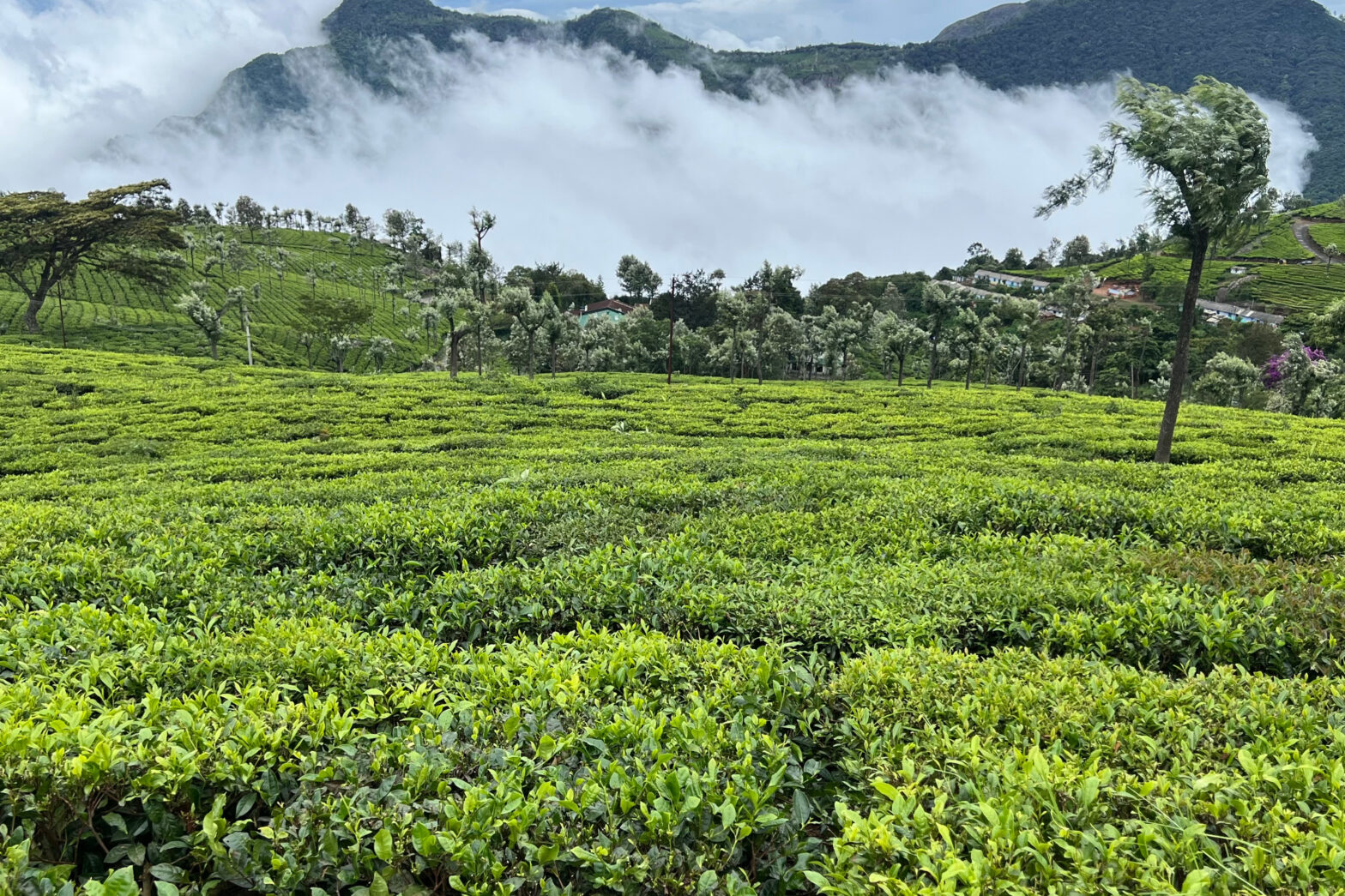
To sense the beauty of the morning mist in West Bengal as it clings to the rolling hills is an experience you’d never forget. But even better is when you stand on a ridge in Darjeeling at 5:30 AM, watching that beautiful mist crawl off a tea bush, you are experiencing the heartbeat of the region. Most people think “Darjeeling tea” is just a fancy label on a supermarket box used to sell a sense of authenticity, but they are mistaken.
It’s not just the liquid in the cup that you should admire, but also the sheer, breathtaking majesty of the tea gardens in West Bengal themselves. These emerald slopes are a living testament to history, where every leaf tells a story of colonial heritage, rugged terrain, and the delicate art of the pluck. Today, we are going to dive deep into some of the most jaw-droppingly amazing tea estates in West Bengal that you must visit at least once to truly understand why this region is known as the Soul of the Eastern Himalayas.
1. Makaibari
Everyone talks on and on about Makaibari because it’s the “organic pioneer”. Established in the year 1859 in Kurseong, Darjeeling, Makaibari is the world’s first tea factory. Apart from this, it is also a premier producer of biodynamic and fair trade-certified tea blends.
Makaibari is known for its six-tier permaculture system and high-quality black, roasted tea. This age-old tea estate in West Bengal offers an amazingly sustainable, nature-integrated approach to tea cultivation.
Taste Profile: Makaibari is known for its ‘magical’ taste, which offers a blend of light, floral, and slightly nutty profiles with a smooth finish.
Claim to Fame: It is the world’s first organic tea garden and the producer of the super-rare Silver Tips Imperial tea harvested on full-moon nights.
2. Glenburn
Following Makaibari, Glenburn is one of the oldest tea gardens in West Bengal. It is a heavenly plantation retreat lying on the hillocks above the banks of the river Rungeet, Himalayas. One can also sight the mighty Kanchenjunga mountain range from here.
This beautiful tea estate in West Bengal was started by the Scottish tea company in 1859. Later, the tea garden in West Bengal was transferred to India’s pioneering tea planting families.
Taste Profile: Highly acclaimed for its First Flush with a light, aromatic and ‘lime green’ colour profile. It produces a second flush that has a distinct musk and nutty undertone.
Claim to Fame: The tea estate is a pioneer of the ‘tea tourism’ experience and hosts breathtaking views of Mt Kanchenjunga.
3. Castleton
A beautiful tea garden in West Bengal, planted by Dr Charles Graham. The tea garden in West Bengal is extremely popular and has fetched record prices from tea connoisseurs and royalty from around the world at auctions.
Caselton’s tea gardens have been created from exquisite China bushes. If you ever plan to visit the tea estate in West Bengal, you will be welcomed with golden amber and fragrant teas from the estate.
Taste Profile: The tea produced here has the highly acclaimed Muscatel flavour and a unique grape-like sweetness with a rich fragrance.
Claim to Fame: Caselton teas have been known to fetch record-breaking prices at auctions due to their unparalleled quality and delicate rose like aroma.
4. Singtom
Built in 1862, Singtom is the world’s oldest tea resort in the world. The resort is located about 20 minutes from Darjeeling. If you visit this tea garden in West Bengal, you get to experience hands-on plantation and a panoramic view of the world’s highest mountain range.
This 1600-acre private estate is a heavenly escape for all tea and nature lovers.
Taste Profile: The taste from the teas of Singtom can be described as light, bright and refreshing with a subtle ‘high-mountain’ crispness and sweet floral finish.
Claim to fame: It is the oldest tea-estate resort in the world. Singtom offers a unique ‘tea tourism’ experience where you get to walk through 1600 acres of private grounds and a view of 100 Himalayan peaks across India, Bhutan, Nepal and China.
5. The Dooars
A short 3-hour drive from Darjeeling will take you to the Dooars tea gardens in West Bengal. Tea plantations in this region spread across 97,280 hectares of land. The region produces around 226 million kg of tea.
Made up of about 154 gardens, the Dooars estate employs around 3.5 lakh workers in the region.
Taste Profile: Dooars is known for its strong, full-bodied and brisk tea. It makes for the perfect base in all “English breakfast” blends.
Claim to Fame: Covering an area of 97,280 hectares of land, this is a powerhouse of West Bengal’s tea production.
6: Happy Valley Tea Estate:
The Happy Valley Tea Estate was established in 1854 and is situated at a height of 6,900 ft above sea level. Tarapada Banerjee took over the tea estate in West Bengal in 1903 and merged the Windson Tea Estate and Wilson Tea Estate in 1929 to form the Happy Valley Tea Estate. In 2007 the estate came under the control of Ambootia Tea Group and was opened to the public in 2008.
Taste Profile: The tea estate is known for its delicate fresh brew with hints of wild flowers and a distinctively clean aftertaste.
Claim to Fame: It is one of the oldest tea estates in West Bengal. It hosts ancient bushes (around 150) which produce a complex taste that is sought after by connoisseurs.
7. Sourenee Tea Estate:
A scenic 100-year-old tea estate in West Bengal, known for its boutique tea resort experience. A 1-hour drive from Siliguri will take you to the tea garden. It offers guided tea tours, tasting sessions and amazing mountain views.
Taste Profile: The taste is known to have a ‘creamy texture’ with ephemeral notes of ripe fruits and spring blossoms.
Claim to Fame: The tea estate is a pioneer in Mirik with breathtaking lakeside views and its ‘Sourenee Tea Retreat’, which will remind you of luxury colonial living with a high-altitude organic farming experience.
8. Samabeong Tea Estate:
The tea estate is known for its biodiversity, as it is surrounded by rivers and forest. The Samabeong tea estate has a rich historic heritage too. Though established in 1882, it was revived in 1990 by tea promoters in India. The tea estate is surrounded by the Kolbong River and is popular for its biodynamic tea cultivation.
Taste Profile: Produces the ‘champagne of teas’, especially in its first flush. The tea has a floral, vegetal flavour with umami notes.
Claim to Fame: Originally founded by the British in 1882, it is celebrated for its isolation and volcanic soil, which gives the tea a mineral-rich profile unlike any other Darjeeling variety.
9. Gopaldhara Tea Estate:
Set up since 1955, the tea estate has won multiple awards, which include the Australian International Tea Export 2018 and the Prix Epicure de L’Epicerie. The estate produces white, oolong, green and traditional Darjeeling tea.
Taste Profile: Renowned for its “Wonder Tea”—a very light, white-tea-style infusion that tastes of fresh peaches and orchids.
Claim to Fame: It is one of the highest plantations in the world (reaching up to 7,000 ft). It is famous for producing “exotic” teas that are often handmade and processed with minimal oxidation.
10. Margarita’s Hope Tea Garden
Originally established at Bara Ringtong in 1864, the tea estate in West Bengal is renowned and historic.
Taste:
Margaret’s Hope is world-renowned for its distinct flavour profile, particularly its First and Second Flush varieties:
The First Flush (Spring): Offers a light golden liquor with a floral bouquet. It has the rare silver tips in the first flush.
The Second Flush (Summer): Known for its intense Muscatel flavour, a rare, grape-like sweetness with spicy undertones and a rich, round body.
Claim to Fame:
As one of the oldest estates, some of its tea bushes are over 100 to 150 years old, categorising them as heritage plants.
West Bengal’s Global Tea Footprint
West Bengal is the hub of the Indian tea export market, with the Darjeeling GI (Geographical Indication) tag acting as a global gold standard.
Export Numbers (2024-2025)
- Total Volume: India exported a record 254.67 million kg of tea in 2024, with North India (primarily West Bengal and Assam) contributing over 161 million kg.
- Revenue: This generated approximately ₹7,111 crore in revenue, with average prices reaching ₹280 per kg.
- Industry Target: The industry is currently aiming for a massive export target of 300 million kg by 2030.
Every cup you drink is a triumph of human endurance and botanical defiance. As you take that first sip, think about the moonlight harvests at Makaibari, the treacherous mountain roads that brought the leaves down to the valley, and the centuries of tradition held in a single bud. Respect the leaf, respect the worker, and respect the journey. It’s a hell of a story, and you’re lucky enough to be a part of it.