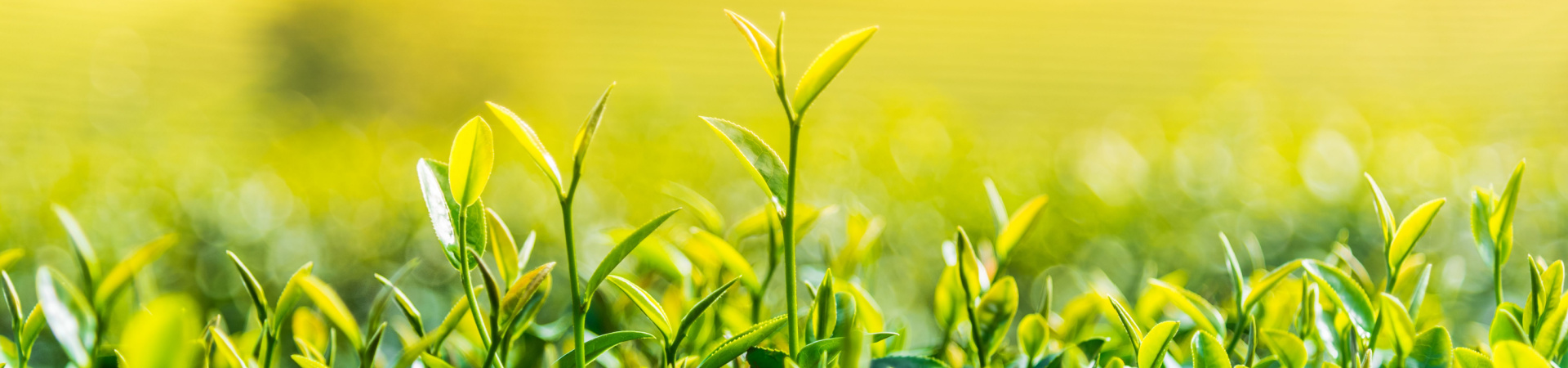
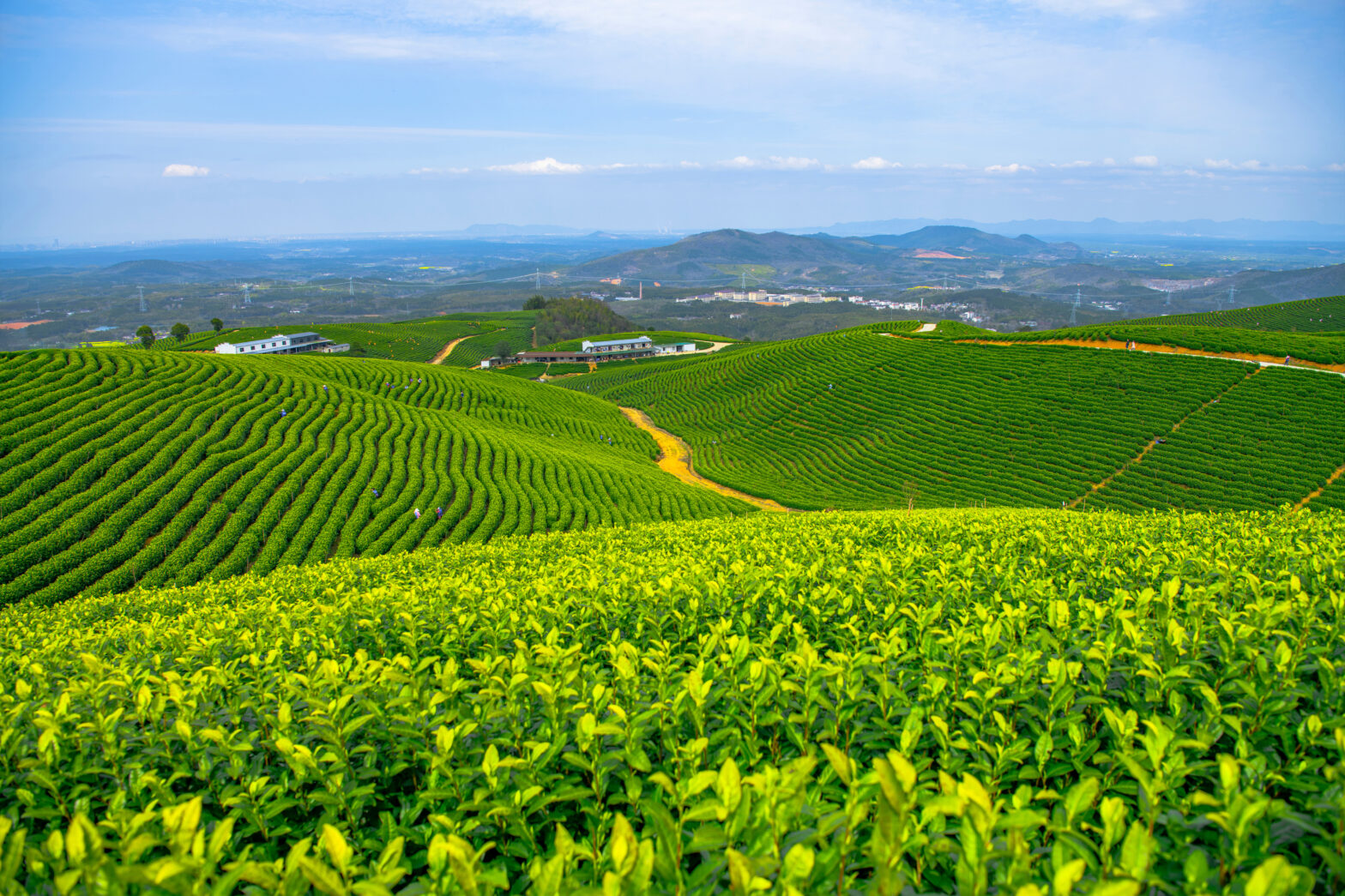
Nestled in the foothills of the Eastern Himalayas in West Bengal, Darjeeling is referred to as the “Queen of the Hills”. But its reputation around the world comes from more than just its panoramic views of Mt Kanchenjunga. Darjeeling is best known for its aromatic, emerald-green tea gardens. The tea is so popular and delicious that it is called the “champagne of teas”. Darjeeling tea is the first Indian product to receive a GI (Geographical Indication) tag, which means that the tea grown in the 87 Darjeeling Tea Gardens in West Bengal can legally bear the name.
Espionage to Icon: The History of the Iconic Darjeeling Tea Gardens in West Bengal.
Dr Archibald Campbell, in 1841, brought the seeds of the Camellia sinensis plant from the Kumaon hills and planted them in his private garden in Beechwood, Darjeeling. The high-altitude, mist, and acidic soil turned out to be favourable for the plant. His experiment was a resounding success.
The Tea Robbery
While Campbell proved that the idea worked, the British East India Company wanted to build an empire. As China held a monopoly on the tea market, it wanted to enter the competition. The company sent Robert Fortune, a Spanish botanist, on a covert mission to smuggle tea plants along with Chinese tea makers. He completed the mission, and the plants were integrated into the Darjeeling Hills. This formed the backbone of the industry in India.
Growth of the Estates
By the 1850s, commercial operations began in earnest. The first Darjeeling Tea Gardens in West Bengal, like Makaibari and Happy Valley, were established. By 1874, there were over 100 gardens, transforming Darjeeling from a sparsely populated ridge into a global tea hub.
The Seasonal Symphony of the Tea Estates
Tea produced in the Darjeeling Tea Gardens in West Bengal, unlike other teas, is harvested seasonally. The harvest is known as the “flush”. Each flush produces its own distinct flavour and aroma.
First Flush: (Spring, March-April)
The most sought-after harvest is that of the spring season. After the winter, the first young buds are plucked. These buds are light, bright amber-coloured, and taste floral and slightly astringent. The harvest is best enjoyed dark without milk.
Second Flush: (Summer, May-June)
The flush is famous for its muscatel character, a taste that resembles that of the muscat grapes. The buds give a dark purplish-gold liquor that tastes fruity and sweet. This flush is preferred by connoisseurs for its rich taste.
Third Flush: (Monsoon, July- September)
Heavy tropical rains cause the leaves to grow rapidly, which leads to a less concentrated flavour in the buds. The liquor produced is dark in colour with a robust and bold taste. The third flush is commonly used for commercial blends or for masala chai.
Fourth Flush: (Autumn, October-November)
This is the final harvest; the buds from this season produce a deep copper colour with a mellow, nutty and woody taste.
Notable Tea Gardens to Explore
With 87 gardens to choose from, knowing where to start can be overwhelming. Here are the “crown jewels” of the region:
Makaibari Tea Estate: The Makaibari Tea Estate is the birthplace of the tea industry in Darjeeling. The tea estate was established to break the monopoly of British tea ownership. As its name suggests, the land was originally used to cultivate maize; its name is literally translated to ‘Maize Field’. Under the ownership of Raja Banerjee, Makaibari became a global pioneer in biodynamic and organic farming.
Why is it famous?
It is the pioneer of organic and biodynamic tea farming. Established in 1859 in Kurseong, it is arguably the most famous garden in the world. It was the first to go organic and biodynamic. Their “Silver Tips Imperial” tea, harvested only on full-moon nights, has set a world record for the most expensive tea ever sold.
Taste & flavours: Known for a “magical” taste that features a blend of light, floral, and slightly nutty profiles with a smooth finish.
Happy Valley Tea Estate: The tea estate is perched at a staggering altitude of nearly 7,000 ft. Happy Valley is the second-oldest tea estate in Darjeeling. Established in 1854, it was the highest tea factory in the world. Being just a short walk from Darjeeling town, it offers excellent guided tours showing the transition from leaf to cup. Many of the bushes at Happy Valley are over 150 years old, survivors of the colonial era that still produce some of the finest orthodox Darjeeling tea. The factory itself serves as a living museum, housing vintage machinery that has been meticulously maintained for over a century.
Why is it famous?
It is the highest tea factory in the world. Its proximity to Darjeeling town makes it a top destination for guided tours that showcase the “leaf to cup” transition. It houses ancient bushes (some around 150 years old).
Taste & Flavours: The tea is known for its delicate, fresh brew with hints of wildflowers and a distinctively clean aftertaste.
Arya Tea Estate: The Arya Tea Estate has a history that is as spiritual as it is industrial. Originally known as Sidrabong, the land was home to a group of Buddhist monks who cultivated various herbs and plants long before the British arrived. The estate is known for its “Jewel” series: Ruby (Black), Emerald (Green), and Pearl (White). This focus on “pedigree” tea has allowed Arya to remain a favourite among elite tea auctions in Hamburg and Tokyo. It’s a pioneer in high-quality, artisanal tea processing.
Why it is Famous: It is celebrated for its “Jewel” series, which treats tea-making as a fine art. It is a pioneer in speciality, handcrafted teas.
Flavours: The “Jewel” series includes the following:
Ruby: High-quality black tea.
Emerald: Premium green tea.
Pearl: Delicate white tea.
Glenburn Tea Estate: If you are looking for luxury, Glenburn offers a “Planter’s Bungalow” experience. It’s located by the Rangeet River and provides a deep dive into the colonial lifestyle. The estate is uniquely located at the confluence of the Rangeet and Rungeet rivers, nestled in a valley that provides a warmer, more humid climate than the high-altitude gardens. Glenburn was known for its massive output, but under the Prakash family, the focus shifted toward sustainable social development for the thousands of workers living on the estate.
Why it is Famous: It is a leader in “tea tourism”, offering a luxury “Planter’s Bungalow” experience with breathtaking views of Mt Kanchenjunga.
Taste & Flavours:
First Flush: Light and aromatic with a “lime green” colour profile.
Second Flush: Features distinct musk and nutty undertones.
Margaret’s Hope Tea Estate: The estate’s tale is one of lost love and hope. Mr J.G.D. Cruickshank managed the garden during its earlier days. His young daughter fell in love with the beauty of the garden and its lush tea bushes. But Margaret had to eventually leave the place to return to England. She made a vow to return to the place. Tragedy struck while on the voyage. Margaret fell ill and passed away on the ship. The tea estate was renamed by her father in her name, Margaret’s Hope, in the 1930s.
Why is it famous?
Visitors often view this garden while riding the UNESCO World Heritage “Toy Train” from Kurseong to Darjeeling.
Taste & flavour: Margaret’s Hope is famous for its second flush, which is the benchmark for the muscatel flavour. The taste has a distinct musky sweetness reminiscent of that of Muscat grapes.
What’s more to explore?
Darjeeling is home to 87 registered tea gardens, as mentioned earlier. And here are 10 other famous estates that you can check out when in Darjeeling.
Castleton Tea Estate, a world-renowned garden that consistently sets record-breaking prices at auctions for its superior quality “Castleton Muscatel”.
Puttabong Tea Estate (Tukvar) The first tea estate ever planted in Darjeeling (1852), known for its history and expansive views of the Himalayan range.
Goomtee Tea Estate is celebrated for its scenic beauty and a classic heritage bungalow that offers a glimpse into the colonial-era tea culture.
Risheehat Tea Estate One of the highest-quality organic producers in the region, specifically praised for its vibrant and floral First Flush teas.
Sungma Tea Estate A favourite among those who enjoy a unique flavour profile that blends delicate floral notes with a distinct spicy finish.
Badamtam Tea Estate is known for its breathtaking views of Mount Kanchenjunga and its
production of rare, highly delicate white teas.
Ambootia Tea Estate A global leader in biodynamic and organic farming, producing bold and ethically grown teas on a massive scale.
Jungpana Tea Estate. Often called the “King of Muscatels”, this garden is famous for its exquisite summer harvests that are highly prized by collectors.
Okayti Tea Estate. Historically one of the most famous gardens in the world, its tea was reportedly a personal favourite of Queen Victoria.
Giddapahar Tea Estate A small, family-run estate famous for its hand-rolled “Souchong” teas and high-elevation bushes that produce a very smooth cup.